
Signs and Symptoms of Scoliosis
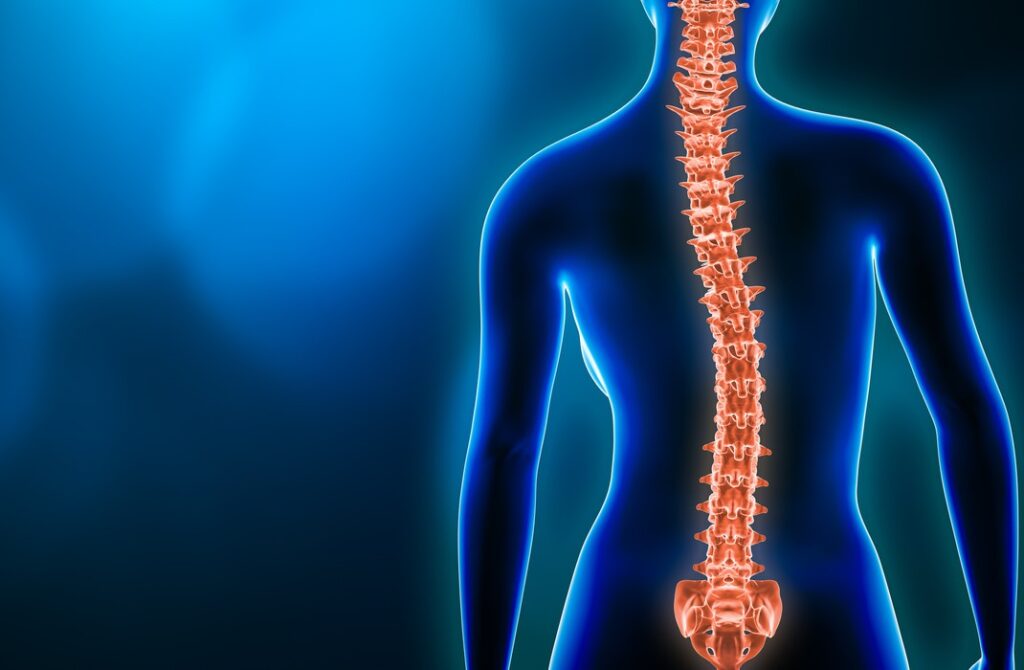
Scoliosis is a condition that causes an abnormal sideways curve of the spine. While mild cases may go unnoticed, early detection is important to prevent progression and long-term complications.
At The Spine & Health Center of New Jersey, we help patients of all ages recognize the signs and symptoms of scoliosis and provide personalized care plans through chiropractic care, physical therapy, and specialized scoliosis-focused treatment. We proudly serve patients in Montvale, Closter, and Park Ridge, NJ.
What Is Scoliosis?
Scoliosis occurs when the spine curves into an “S” or “C” shape instead of remaining straight. It most commonly develops during childhood or adolescence, but adults can also develop scoliosis due to degenerative changes in the spine.
If you suspect posture changes or spinal imbalance, exploring your options for scoliosis treatment early can make a significant difference in long-term outcomes.
Common Signs of Scoliosis
Scoliosis doesn’t always cause pain at first. Many early signs are visual or postural, which is why routine screening is so important.
Physical Signs to Look For
- Uneven shoulders
- One shoulder blade sticking out more than the other
- Uneven waist or hips
- One side of the rib cage higher than the other
- Head not centered over the pelvis
- Clothes fitting unevenly
If you notice any of these changes, scheduling a scoliosis evaluation can help determine the next steps.
Symptoms of Scoliosis
As scoliosis progresses, symptoms may become more noticeable and uncomfortable.
Common Symptoms Include
- Back pain or stiffness
- Muscle fatigue
- Reduced range of motion
- Neck or shoulder tension
- Difficulty standing or sitting for long periods
- Nerve-related symptoms in more advanced cases
A comprehensive evaluation looks at both spinal alignment and functional movement to determine whether scoliosis care, physical therapy, or chiropractic treatment is the best path forward.
Early Signs of Scoliosis in Children and Teens
Because scoliosis often develops during growth spurts, parents should watch for:
- Uneven shoulders or hips
- A visible curve in the spine
- One side of the back appearing higher when bending forward
- Leaning to one side when standing
Early identification allows for conservative options such as posture training, corrective exercises, and supportive physical therapy before more invasive treatment is ever considered.
Signs of Scoliosis in Adults
Common Adult Symptoms Include:
- Chronic back pain
- Progressive posture changes
- Reduced balance
- Fatigue from uneven muscle use
- Degenerative disc disease
- Arthritis
- Previous spinal injuries
- Long-term postural imbalances
When Should You See a Doctor for Scoliosis?
You should schedule an evaluation if:
- You notice visible changes in posture
- Pain or stiffness is increasing
- Daily activities become uncomfortable
- You or your child has never been screened
Our team performs detailed posture, movement, and spinal assessments to determine whether scoliosis treatment services or conservative care options are right for you.
How Scoliosis Is Treated
Treatment depends on age, curve severity, and symptoms. At The Spine & Health Center of NJ, care often includes a coordinated plan using:
- Physical therapy to improve strength, flexibility, and posture
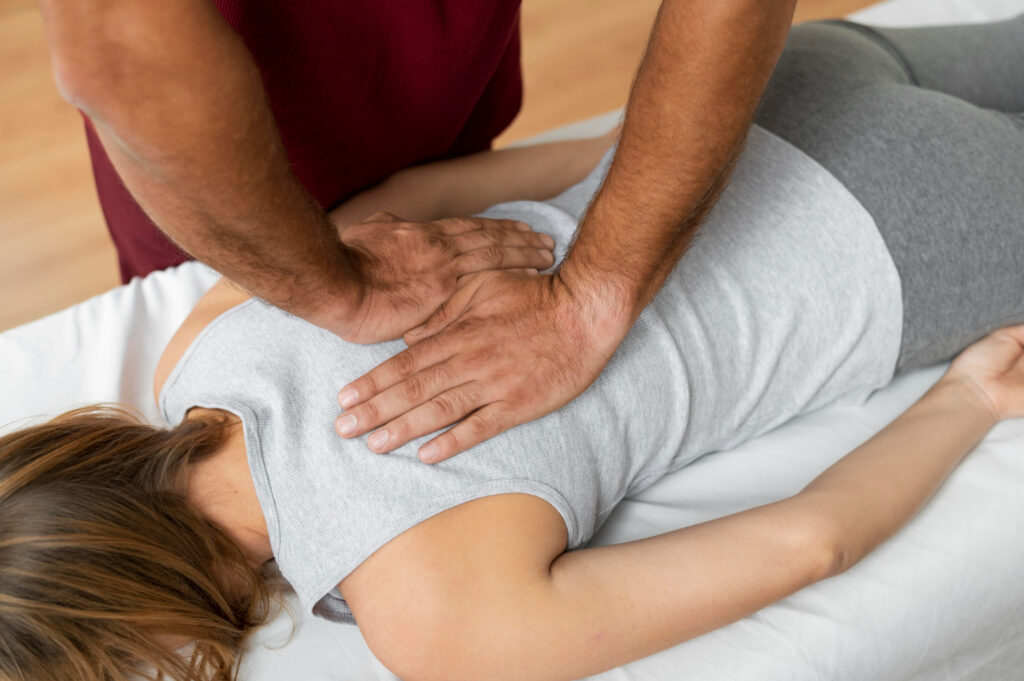
- Chiropractic care to support spinal mobility and joint function
- Specialized scoliosis exercise programs
- Postural retraining and movement correction
- Ongoing monitoring to prevent progression
Learn more about our full range of scoliosis treatment services including scoliosis treatment with the Schroth Method, and how early intervention can support long-term spinal health.
Can Scoliosis Be Corrected Without Surgery?
Conservative care focuses on:
- Improving posture and spinal mechanics
- Reducing pain and stiffness
- Supporting healthy movement patterns
- Preventing curve progression
By combining physical therapy and chiropractic treatment, patients often experience better symptom control and functional improvement.
FAQs: Signs and Symptoms of Scoliosis
What are the early signs of scoliosis?
Early signs include uneven shoulders or hips, a visible curve in the spine, and one side of the rib cage appearing higher than the other.
Does scoliosis always cause pain?
No. Many people with scoliosis do not feel pain at first. Symptoms often appear as the curve progresses or as muscles become overworked.
At what age does scoliosis usually start?
Can adults develop scoliosis?
How is scoliosis diagnosed?
Can physical therapy help scoliosis?
Yes. Physical therapy improves posture, strength, and flexibility, helping many patients manage scoliosis symptoms effectively.
Can chiropractic care help scoliosis?
Chiropractic care supports spinal mobility, reduces discomfort, and helps improve overall function for patients with scoliosis.
Why Choose The Spine & Health Center of New Jersey?
-
Multidisciplinary care under one roof
-
Experience treating scoliosis in children, teens, and adults
-
Locations in Montvale, Closter, and Park Ridge, NJ
-
Personalized, evidence-based treatment plans
-
Focus on long-term spinal health and quality of life
If you’ve noticed posture changes or symptoms and want answers, our team is here to help.
Trusted External References
American Academy of Orthopaedic Surgeons (AAOS) — https://orthoinfo.aaos.org
Scoliosis Research Society — https://www.srs.org