
Physical Therapy for Post-Concussion Syndrome
A concussion can affect more than just your head — it can impact your balance, vision, focus, energy levels, and overall quality of life. When symptoms linger beyond the expected recovery period, it’s known as post-concussion syndrome (PCS).
At The Spine & Health Center of New Jersey, we provide specialized physical therapy for post-concussion syndrome to help patients safely recover, regain function, and return to daily life with confidence. We proudly serve individuals throughout Montvale, Closter, and Park Ridge, NJ.
What Is Post-Concussion Syndrome?
Post-concussion syndrome occurs when symptoms from a concussion last for weeks or months after the initial injury. These symptoms can interfere with work, school, and everyday activities.
Common causes include:
- Sports injuries
- Auto accidents
- Falls
- Workplace injuries
Early intervention with the right care team can significantly improve recovery outcomes — especially when care begins with physical therapy focused on neurological and movement-based recovery.
Common Symptoms of Post-Concussion Syndrome
PCS symptoms vary from person to person, but often include:
- Headaches or head pressure
- Dizziness or balance problems
- Fatigue
- Sensitivity to light or noise
- Difficulty concentrating or remembering
- Neck pain and stiffness
- Visual disturbances
- Mood changes or irritability
A thorough evaluation helps determine which systems — vestibular, visual, musculoskeletal, or neurological are being affected and whether neurologic physical therapy should be part of your care plan.
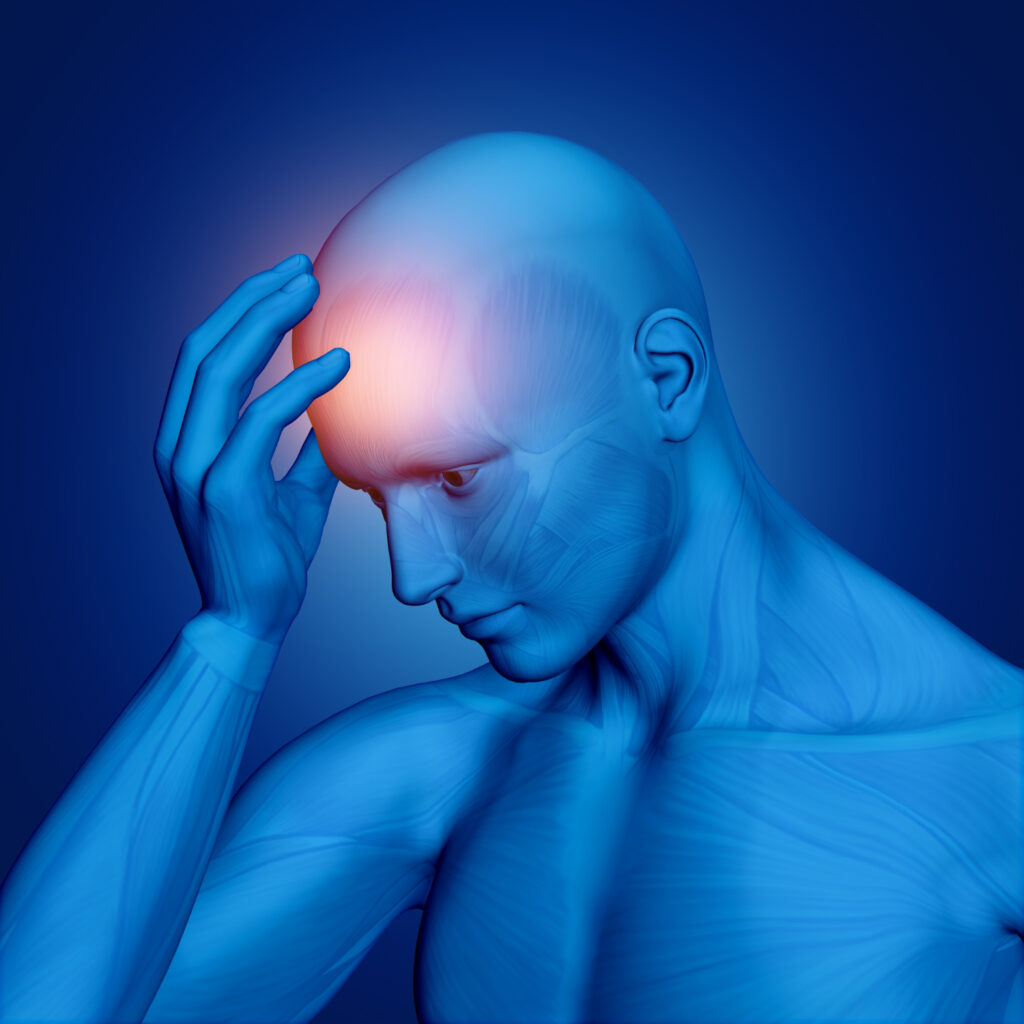
How Physical Therapy Helps Post-Concussion Recovery
Physical therapy plays a key role in treating post-concussion syndrome by addressing the physical and neurological effects of the injury.
Our physical therapy team designs individualized programs to help restore normal function while preventing symptom flare-ups.
Key Areas Physical Therapy Addresses
- Balance and coordination
- Neck mobility and posture
- Visual tracking and eye-head coordination
- Endurance and activity tolerance
- Functional movement patterns
For patients with more complex symptoms, we often incorporate neurologic physical therapy to support brain–body recovery.
What to Expect from Post-Concussion Physical Therapy
Your care plan may include:
- Vestibular rehabilitation for dizziness and balance
- Cervical spine therapy for neck pain and headaches
- Visual-motor retraining
- Gentle aerobic conditioning
- Postural and ergonomic education
- Gradual return-to-activity protocols
When neck tension or spinal alignment contributes to symptoms, treatment may also include chiropractic care to support joint mobility and reduce strain.
When Should You Start Physical Therapy After a Concussion?
Many patients benefit from physical therapy within days to weeks after a concussion, especially if symptoms are not improving.
You should consider scheduling an evaluation if:
- Symptoms last longer than 10–14 days
- Dizziness or balance issues persist
- Headaches or neck pain interfere with daily life
- You feel “off” mentally or physically
Early intervention often leads to faster and more complete recovery.
Treating the Whole Person: Integrated Care
Post-concussion recovery often requires a team approach. At The Spine & Health Center of NJ, physical therapy is frequently combined with:
Chiropractic care to address spinal alignment and neck-related symptoms
Neurologic physical therapy for balance, coordination, and cognitive-motor integration
Lifestyle and activity modification guidance
For patients injured in auto accidents or workplace incidents, we also coordinate care through our personal injury treatment services.
Can Physical Therapy Help Long-Term Concussion Symptoms?
Yes. Many people who struggle with lingering symptoms for months, even years, experience meaningful improvement with targeted physical therapy.
Treatment focuses on:
Re-training the nervous system
Reducing symptom triggers
Improving tolerance to activity
Restoring confidence in movement
Our goal is not just symptom relief, but lasting functional recovery.

FAQs: Physical Therapy for Post-Concussion Syndrome
Can physical therapy help post-concussion syndrome?
Yes. Physical therapy is one of the most effective treatments for lingering concussion symptoms, especially dizziness, headaches, and balance issues.
What type of physical therapy is best after a concussion?
A combination of vestibular therapy, cervical spine treatment, and neurologic physical therapy is often most effective.
How long does post-concussion physical therapy take?
Treatment length varies. Some patients improve in a few weeks, while others with more complex symptoms may need several months of guided care.
Can chiropractic care help after a concussion?
Yes. Chiropractic care can help relieve neck-related headaches, stiffness, and postural strain that often follow head injuries.
Do I need a referral for physical therapy?
This depends on your insurance plan. Our office can verify whether a referral is required for patients in Montvale, Closter, and Park Ridge, NJ.
Why Choose The Spine & Health Center of New Jersey?
-
Multidisciplinary care under one roof
-
Experience treating scoliosis in children, teens, and adults
-
Locations in Montvale, Closter, and Park Ridge, NJ
-
Personalized, evidence-based treatment plans
-
Focus on long-term spinal health and quality of life
If you’ve noticed posture changes or symptoms and want answers, our team is here to help.
Trusted External References
Centers for Disease Control and Prevention (CDC) — Concussion & Mild TBI
https://www.cdc.gov/traumaticbraininjuryAmerican Physical Therapy Association (APTA) — Concussion Management
https://www.apta.org