
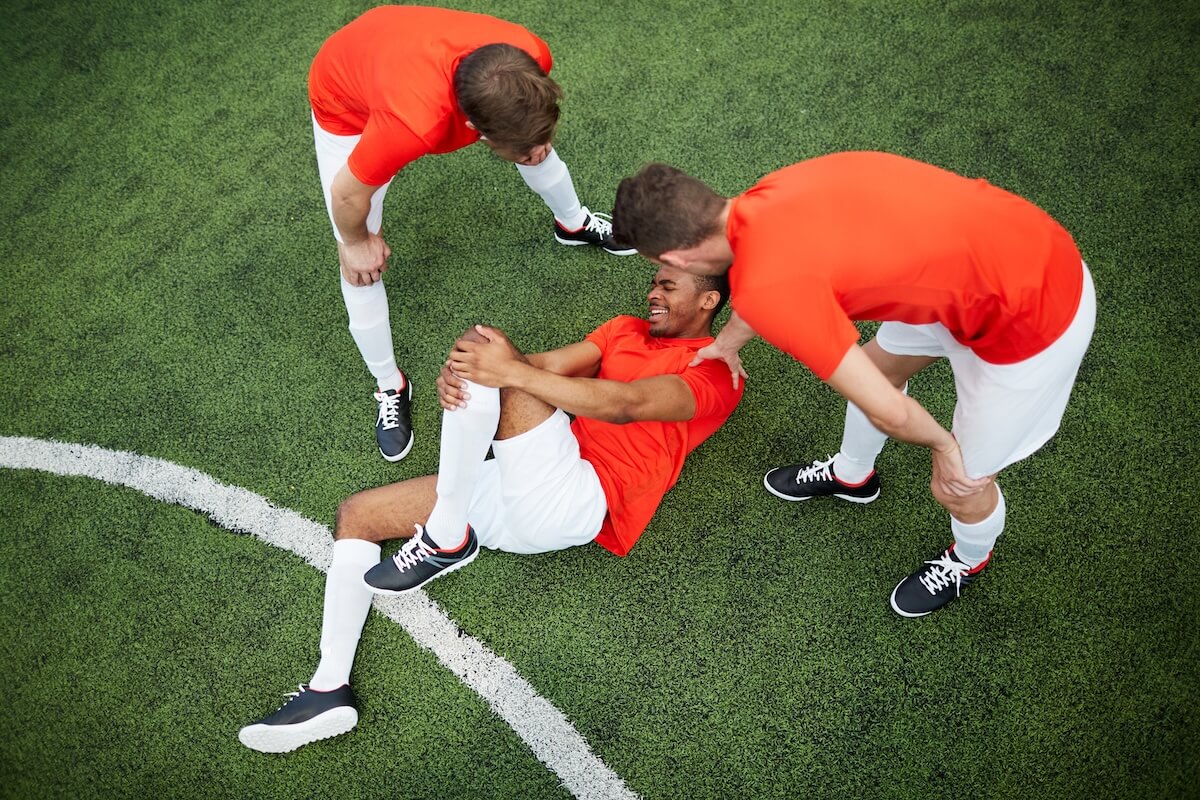
In recent years, anterior cruciate ligament (ACL) injuries have become increasingly common among young athletes, particularly those involved in high-impact and quick-cutting sports like soccer, basketball, football, and gymnastics. At The Spine & Health Center of New Jersey, we frequently work with young athletes and families to guide them through safe recovery and long-term injury prevention.
Understanding the causes, symptoms, treatment options, and preventive strategies is key to reducing risk and ensuring a safe return to play.
What Is an ACL Injury?
The ACL is one of the four major ligaments in the knee and plays a crucial role in stabilizing the joint, especially during movements that involve cutting, pivoting, or sudden stops.
During an ACL injury, the ligament is torn or sprained, creating immediate swelling and weakness throughout the knee. ACL injuries are often accompanied by injuries to the MCL and meniscus, which together are commonly referred to as the “unhappy triad.”
Why Are Young Athletes at Risk?
Several factors contribute to the high incidence of ACL injuries in young athletes:
- Growth spurts: Rapid changes in body size and coordination can affect neuromuscular control
- Increased sports participation: Early specialization in a single sport often leads to overtraining, increasing stress on joints, ligaments, and tendons
- Muscular weakness: Poor strength in key muscle groups such as the core, glutes, hamstrings, and quadriceps can reduce knee stability and increase ACL strain
- Biomechanics: Improper mechanics during running, jumping, and cutting — such as collapsing knees or toeing in — place excessive stress on the ACL
- Gender differences: Female athletes are at a higher risk due to anatomical and hormonal factors, particularly during puberty
Addressing these risk factors early through guided training and rehab can significantly reduce injury risk.
Signs and Symptoms of an ACL Injury
Common symptoms of an ACL injury include:
- A popping sound at the time of injury
- Immediate swelling of the knee
- Instability or a feeling of the knee “giving out”
- Difficulty bearing weight or walking
- Pain when trying to straighten or bend the knee
Early diagnosis through clinical evaluation and imaging (usually MRI) is essential for proper treatment planning. Our team often works alongside orthopedic specialists to ensure accurate diagnosis and coordinated care.
Treatment Options
Treatment depends on the severity of the injury, the athlete’s age, and activity level.
- Non-Surgical Management
For partial tears or less active individuals, conservative care such as physical therapy focusing on strength, balance, and neuromuscular control may be sufficient. - Surgical Reconstruction
Most complete ACL tears in young athletes require surgery, particularly if they plan to return to pivoting or contact sports. Pediatric ACL surgery typically involves grafting tissue (often from the hamstring or patellar tendon) to reconstruct the ligament.
Recovery and Rehabilitation
Rehabilitation is critical for restoring strength, flexibility, and proper movement patterns. A comprehensive ACL rehab program typically lasts 6–12 months and includes:
- Early phase: swelling reduction and range-of-motion restoration
- Middle phase: progressive strength training and stability work
- Late phase: sports-specific drills and movement retraining
- Return-to-sport testing to ensure readiness and reduce re-injury risk
At SHC, our sports-focused physical therapy programs emphasize safe progression and proper biomechanics. Premature return to play significantly increases the risk of re-injury or injury to the opposite knee.
Preventing ACL Injuries in Youth
Evidence-based prevention programs can significantly reduce ACL injury risk. These programs often include:
- Plyometric (jumping) exercises with proper landing mechanics
- Strengthening of the core, glutes, and hamstrings
- Balance and agility training
- Dynamic warm-ups before practices and games
- Education on safe movement patterns
Preventive training is especially effective when implemented during early adolescence and supervised by trained professionals.
The Psychological Impact
An often-overlooked aspect of ACL injuries in young athletes is the emotional toll. Fear of re-injury, loss of athletic identity, and time away from teammates can contribute to anxiety or depression.
A successful recovery plan includes physical rehabilitation along with encouragement, goal-setting, and open communication between healthcare providers, coaches, parents, and athletes.
Final Thoughts
ACL injuries in young athletes are serious, but with the right approach, outcomes can be very positive. Early recognition, individualized treatment, structured rehabilitation, and injury-prevention strategies are key to helping athletes return safely to the sports they love.
If you’re a parent, coach, or young athlete, investing in proper training and injury prevention now can make a lasting difference in long-term joint health and athletic success.
Need Help With ACL Recovery?
If your child has sustained an ACL injury, working with a sports-focused physical therapist can provide personalized guidance every step of the way. Our team at The Spine & Health Center of New Jersey creates tailored recovery programs designed to restore confidence, strength, and performance.
📞 Contact us today to get started on a safe, effective ACL recovery plan.