
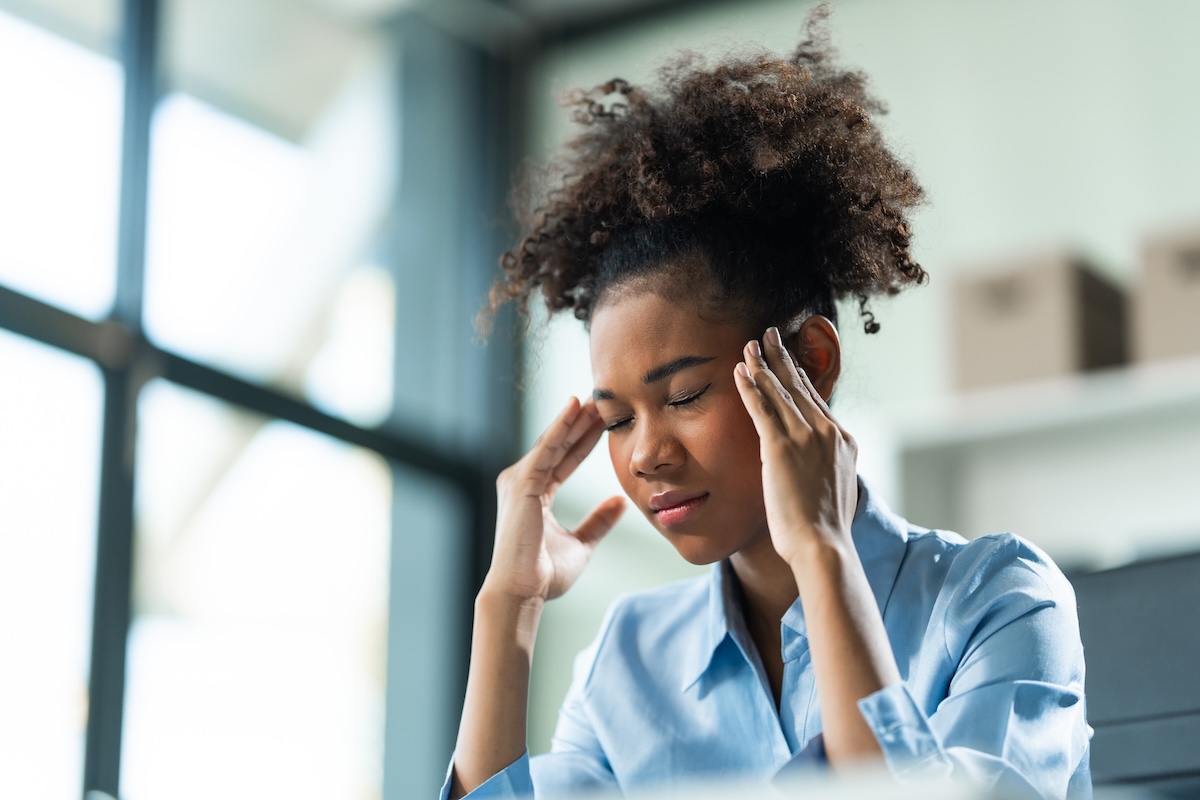
Did you know your headaches don’t actually come from your brain?
Your brain can’t feel pain—it has no pain receptors. Most headache pain comes from:
- Tight muscles in your neck, shoulders, or head
- Irritated nerves
- Inflamed blood vessels
- Dysfunctional movement in the joints of your neck
At The Spine & Health Center of New Jersey, we frequently see headaches that are driven by issues in the neck and upper spine rather than the head itself.
How Do Muscles Impact Headaches?
Muscle tension plays a major role in headaches—especially when trigger points (tight knots) are involved.
These knots can:
- Feel sore to the touch
- Refer pain into your head, jaw, or arms
Common muscles involved:
- SCM (sternocleidomastoid)
- Upper trapezius
- Suboccipitals
- Temporalis
- Levator scapulae
At SHC, we evaluate these muscles and use hands-on techniques through chiropractic care and physical therapy to release tension and relieve headache symptoms.
Learn more about trigger points here:
Trigger Points – American Academy of Family Physicians
What Is Segmental Dysfunction?
“Segmental dysfunction” sounds complex, but it simply means a joint isn’t moving the way it should.
Think of it like a sticky door.
If one joint is stiff, it affects everything around it—just like a sticky hinge affects the whole door frame.
In your neck, this can lead to:
- Pain
- Muscle tightness
- Nerve pressure
- Headaches
At SHC, our providers restore healthy motion to these joints using targeted adjustments, movement-based care, and rehabilitative exercises to improve function and reduce pain.
Research reference:
Segmental Dysfunction – SAGE Journals
Does Everyone Have Inflammation?
To a degree, most of us have at least a low level of inflammation in our bodies—this is necessary for survival. When inflammation becomes excessive, it can be a major contributor to headaches.
Inflammation may cause blood vessels in the head or neck to:
- Vasoconstrict (tighten)
- Vasodilate (widen)
This can irritate nearby nerves and lead to throbbing or pressure-type pain.
Our team addresses the root causes by:
- Reducing muscle tension
- Correcting joint misalignments
- Relieving nerve pressure
This helps your body calm down and heal naturally—without relying solely on medication.
You Don’t Have to Live with Headaches
The good news? Most headaches aren’t dangerous and respond very well to conservative care such as:
We offer all of these services at SHC and tailor your care plan to fit your lifestyle, goals, and the true cause of your headaches.
Important:
If you ever experience a headache that feels like the worst of your life, or one that comes with vision changes, numbness, weakness, or confusion, contact your doctor or seek emergency care right away.