
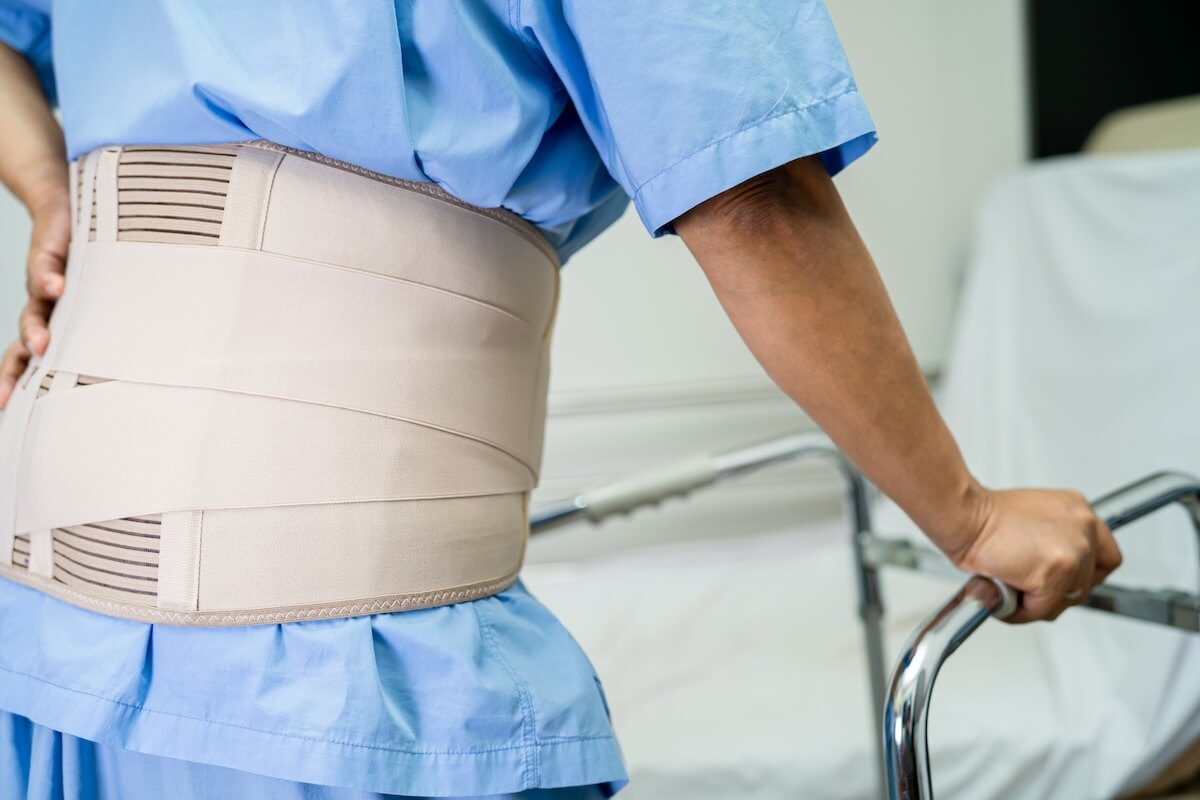
Spine surgery recovery is the phase nobody prepares you for. The surgery goes well. You’re sent home with a prescription, a list of restrictions, and maybe a pamphlet about walking — but no real roadmap for what comes next.
- The rehab gap in spine surgery recovery
- Spine surgery recovery timelines by procedure
- Physical therapy: the backbone of spine surgery recovery
- Chiropractic care after spine surgery
- Acupuncture for post-surgical pain and scar tissue
- Advanced modalities that accelerate healing
- When recovery stalls: failed back surgery syndrome
- Red flags: when to call your surgeon
- Frequently asked questions about spine surgery recovery
For too many spine surgery patients, the most critical phase of healing — the rehabilitation that turns a successful operation into a successful outcome — is left vague, underfunded, or outright skipped. The surgeon did their job brilliantly. However, surgery alone doesn’t rebuild the strength, mobility, and resilience your spine needs to support you for the next 20, 30, or 40 years.
At The Spine & Health Center, we specialize in exactly this phase: the structured, non-invasive rehabilitation that bridges the gap between surgery and full recovery. Specifically, our multidisciplinary team — physical therapists, chiropractors, and acupuncturists — works together to build a post-operative plan that goes far beyond “walk a little more each day.”
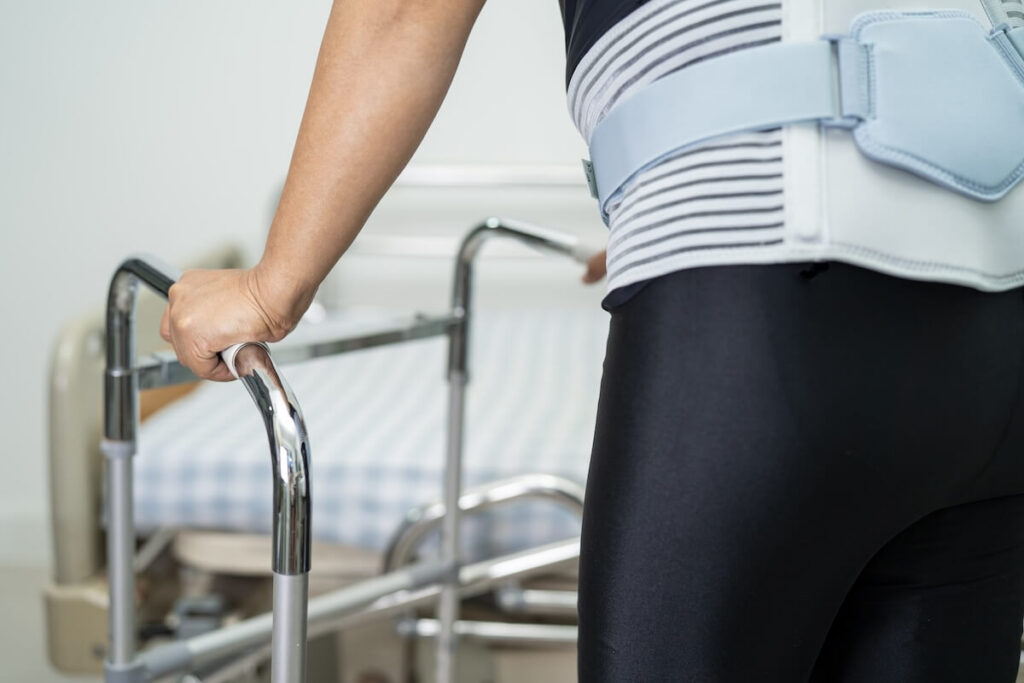
The rehab gap in spine surgery recovery
In reality, most patients don’t realize until they’re in the thick of recovery: the surgery addresses the structural problem (the herniated disc, the compressed nerve, the unstable segment), but it doesn’t fix the months or years of muscle deconditioning, compensatory movement patterns, and tissue weakness that built up before you ever reached the operating table.
As a result, without targeted rehabilitation, patients are left vulnerable to exactly the outcomes they were trying to avoid: persistent stiffness, recurring pain, adjacent segment problems, and in some cases, a second surgery.
Of spine surgery patients develop persistent pain (FBSS)
For full bone healing after spinal fusion
Before formal PT typically begins post-fusion
Furthermore, research supports formal rehabilitation after spine surgery. A study published in the Journal of Neurosurgery: Spine found that structured physical therapy starting at the 12-week post-operative mark produced better outcomes at lower cost than starting at 6 weeks — suggesting that timing, not just effort, matters in post-surgical rehab.
Spine surgery recovery timelines by procedure
Of course, not all spine surgeries are created equal, and your recovery timeline depends heavily on what was done. Here’s what to generally expect for the three most common procedures:
Microdiscectomy / Discectomy
The least invasive of the three, a discectomy removes the portion of a herniated disc pressing on a nerve. Typically, most patients go home the same day or within 24 hours. Light walking begins immediately, and many return to desk work within 2–4 weeks. As a result, physical therapy typically starts at 2–4 weeks and focuses on core stabilization, nerve mobility exercises, and proper body mechanics to prevent re-herniation.
Laminectomy / Decompression
A laminectomy removes part of the vertebral bone (lamina) to relieve pressure on the spinal cord or nerves, often for spinal stenosis. Generally, hospital stays range from same-day to 1–2 nights. Initial recovery takes 4–6 weeks, with formal PT beginning around weeks 3–4. The focus is on regaining walking endurance, hip and core strengthening, and gradually restoring the ability to stand for extended periods.
Spinal Fusion
The most extensive of the three, fusion permanently joins two or more vertebrae to eliminate painful motion. In most cases, hospital stays average 1–3 days. The initial healing phase (weeks 1–6) focuses on protected mobility — walking, basic transfers, and strict avoidance of bending, twisting, and lifting. Subsequently, formal physical therapy begins at 4–6 weeks once the surgeon confirms adequate stability. Full bone healing takes 12–18 months, although most patients feel significantly improved by 6 months.
Physical therapy: the backbone of spine surgery recovery
Above all, if there’s one thing the research is clear on, it’s this: physical therapy is the single most important factor in whether spine surgery leads to a good long-term outcome. Not the technique the surgeon used, not the hardware, not the hospital — but what happens in the weeks and months after.
Accordingly, post-operative spine PT follows a progressive structure:
-
 Weeks 1–4: Protected mobility Gentle walking (building from 5 minutes to 20–30 minutes), basic bed mobility, safe sit-to-stand transfers, and nerve gliding exercises. The goal is to prevent deconditioning without stressing the surgical site.
 -
 Weeks 4–8: Foundation building Hamstring and hip flexor stretching, gentle core activation (pelvic tilts, modified bridges), and postural retraining. Your therapist introduces light resistance and begins addressing the movement patterns you developed before surgery.
 -
 Weeks 8–12: Active strengthening Progressive core exercises using stability balls and resistance bands, low-impact aerobic conditioning (walking, stationary cycling, pool exercises), and functional movement training for daily activities.
 -
 Months 3–6+: Return to life Sport-specific or job-specific conditioning, advanced balance and proprioception work, and transition to a long-term independent exercise program. Ongoing re-evaluations ensure you’re progressing safely.
Importantly, at each phase, your PT program is coordinated with your surgeon’s guidelines. We communicate directly with your surgical team to ensure every exercise is appropriate for your specific procedure and healing timeline.

Chiropractic care after spine surgery: safe, targeted, and complementary
One of the most common questions we hear: “Can I see a chiropractor after back surgery?” The short answer is yes — although there are important caveats about timing and technique.
Chiropractic care after spine surgery doesn’t mean aggressive manipulation of the surgical site. Rather, a post-surgical chiropractor focuses on the areas around the surgery — the segments above and below the fusion, the hips, the pelvis, and the thoracic spine — that often become stiff and painful as they compensate for the changes at the surgical level.
What post-surgical chiropractic addresses:
Adjacent segment stiffness
the vertebrae above and below a fusion bear more load and consequently often become restricted
SI joint and hip dysfunction
because altered spinal mechanics after surgery frequently shift stress to the pelvis
Compensatory muscle tension
specifically, neck, mid-back, and shoulder pain that develops from guarded posture during recovery
Gait and balance issues
subtle changes in walking patterns that, if unaddressed, can eventually lead to knee or hip problems
Safety note: Chiropractic care after spine surgery should only begin with surgeon clearance and should be performed by a practitioner experienced in post-surgical rehabilitation. At The Spine & Health Center, your chiropractor and physical therapist work from the same care plan, ensuring nothing is done in one room that contradicts what’s happening in the other.
Acupuncture for post-surgical pain and scar tissue
Spine surgery leaves behind scar tissue — both on the surface and internally around the surgical site. Consequently, that scar tissue can become a source of stiffness, nerve irritation, and chronic discomfort. Acupuncture offers a drug-free approach to managing these post-surgical challenges.
A systematic review of randomized controlled trials found that patients who received acupuncture after surgery experienced less pain and required fewer opioid medications during recovery. Specifically, acupuncture works through several mechanisms relevant to post-surgical healing: stimulating the release of endorphins (the body’s natural painkillers), improving local circulation to deliver oxygen and nutrients to healing tissues, and modulating inflammatory responses around scar tissue.
When acupuncture fits into the post-surgical timeline:
- Weeks 2–4: Initially, gentle, distal acupuncture (away from the surgical site) for pain management and stress reduction
- Weeks 6–12: Then, targeted acupuncture around the healed incision to address early scar tissue formation
- Months 3+: Finally, ongoing scar tissue treatment and pain management as needed, especially for patients with persistent discomfort
Advanced modalities that accelerate healing
Beyond the foundational triad of PT, chiropractic, and acupuncture, there are several specialized modalities can meaningfully accelerate post-surgical recovery when applied at the right time:
Class IV laser therapy
Deep tissue photobiomodulation that reduces inflammation, accelerates cellular repair, and decreases pain at the surgical site. Particularly effective for persistent post-operative swelling.
Shockwave therapy
Acoustic wave technology that stimulates blood flow and tissue regeneration. Useful for addressing chronic muscle tension and tendon issues that develop during the compensatory phase of recovery.
Blood flow restriction
Allows patients to build muscle strength with significantly lighter loads — critical when heavy lifting is restricted after fusion surgery. You get the strength gains without the spinal stress.
Notably, each of these modalities has a specific window in the recovery timeline where it’s most effective. Therefore, your care team determines what to introduce and when, based on where you are in the healing process.
When recovery stalls: understanding failed back surgery syndrome
Not every spine surgery delivers the relief patients expect. Failed back surgery syndrome (FBSS) — also called post-laminectomy syndrome — refers to persistent or recurring pain after an otherwise technically successful surgery. It affects an estimated 10–40% of spine surgery patients and is one of the most frustrating experiences a patient can face.
In particular, FBSS can be caused by scar tissue buildup around nerves (epidural fibrosis), degeneration at segments adjacent to the fusion, residual nerve compression, muscle deconditioning, or central sensitization where the nervous system continues generating pain signals even after the structural problem is fixed.
However, the good news is that FBSS does not automatically mean another surgery is needed. A comprehensive conservative rehabilitation program — combining physical therapy for core stabilization, chiropractic care for adjacent segment mobility, acupuncture for nerve pain modulation, and modalities like Class IV laser for tissue healing — can provide meaningful relief for many FBSS patients.
Red flags: when to call your surgeon
Although your rehab team manages your day-to-day recovery, certain symptoms nevertheless require immediate attention from your surgical team:
- Fever above 101°F (38.3°C) or increasing redness/drainage at the incision site (because this may indicate infection)
- New or worsening weakness in the legs, difficulty walking, or loss of bladder/bowel control (since this suggests possible neurological compromise)
- Sudden, severe pain that is dramatically different from your typical post-operative discomfort
- Calf swelling, redness, or warmth (possible blood clot / deep vein thrombosis)
- Difficulty breathing or chest pain (seek emergency care immediately)
When in doubt, call. Your surgical team would always rather hear from you early than learn about a complication late. In other words, never assume a concerning symptom is “just part of recovery.”
Frequently asked questions about spine surgery recovery
How long does it take to recover from spine surgery?
Naturally, recovery timelines vary by procedure. A microdiscectomy may allow return to light activity in 2–4 weeks. A laminectomy typically takes 4–6 weeks for initial recovery. Spinal fusion is the longest, with most patients feeling significantly better at 3–6 months, though full bone healing takes 12–18 months. Ultimately, your individual timeline depends on the procedure, your pre-surgical fitness, and how consistently you follow your rehabilitation plan.
When can I start physical therapy after spinal fusion?
In fact, light movement like walking typically begins within 24 hours of surgery. Gentle stretching may start in week one. However, formal physical therapy usually begins 4–6 weeks after spinal fusion, once your surgeon confirms the fusion site is stable enough for progressive exercise.
Is chiropractic care safe after back surgery?
Yes. Provided that it is performed by a practitioner experienced in post-surgical care and after surgeon clearance, Post-surgical chiropractic uses gentle, low-force techniques focused on areas around the surgical site — not the fused or repaired segment itself. The goal is to address compensatory pain and improve mobility in adjacent areas.
What are permanent restrictions after spinal fusion?
Generally, restrictions vary by individual and the number of levels fused. Single-level fusions typically have fewer long-term limitations. Most surgeons advise against extreme spinal flexion under heavy load, high-impact sports, and repetitive heavy lifting. However, many patients return to golf, swimming, hiking, and most daily activities. Your surgeon and rehab team will guide you based on your specific case.
Can acupuncture help with post-surgical scar tissue pain?
Indeed, research suggests acupuncture may help reduce post-surgical scar tissue pain and improve tissue pliability. A systematic review found patients who received acupuncture after surgery experienced less pain and needed fewer pain medications. Read more in our blog on acupuncture for post-operative scar tissue repair.
What is failed back surgery syndrome?
Essentially, failed back surgery syndrome (FBSS) refers to persistent or recurring pain after spine surgery. It affects an estimated 10–40% of patients and can result from scar tissue, adjacent segment disease, or central sensitization. Fortunately, a comprehensive rehabilitation program combining PT, chiropractic care, acupuncture, and modalities like Class IV laser therapy can help manage symptoms without additional surgery.
Does insurance cover post-operative rehabilitation?
Yes. In most cases, insurance plans cover post-surgical physical therapy as a medically necessary service. Chiropractic care and acupuncture coverage varies by plan. At The Spine & Health Center, we verify your insurance benefits before starting treatment so there are no surprises.
Your surgery was the first step. Let’s build what comes next.
Whether you’re preparing for spine surgery or already recovering, our Bergen County team creates a coordinated rehabilitation plan across PT, chiropractic, acupuncture, and advanced modalities — all under one roof.
- Closter: 31 Vervalen St, Closter, NJ 07624
- Park Ridge: 146 Kinderkamack Rd, Park Ridge, NJ 07656
- Montvale: 32 Philips Pkwy, Montvale, NJ 07645
Disclaimer: This blog post is for informational purposes only and does not constitute medical advice. Post-surgical rehabilitation should be guided by your surgical team and a qualified rehabilitation provider. Always follow your surgeon’s specific instructions regarding activity restrictions and therapy timing.