
- What is non-surgical spinal decompression therapy?
- How does spinal decompression work?
- Conditions treated by spinal decompression
- Spinal decompression vs. other treatments
- What to expect during a session
- Does it actually work? Success rate and results
- How long does treatment take?
- Side effects, safety, and risks
- Cost and insurance coverage
- Pros and cons
- Why choose The Spine & Health Center
- Frequently asked questions
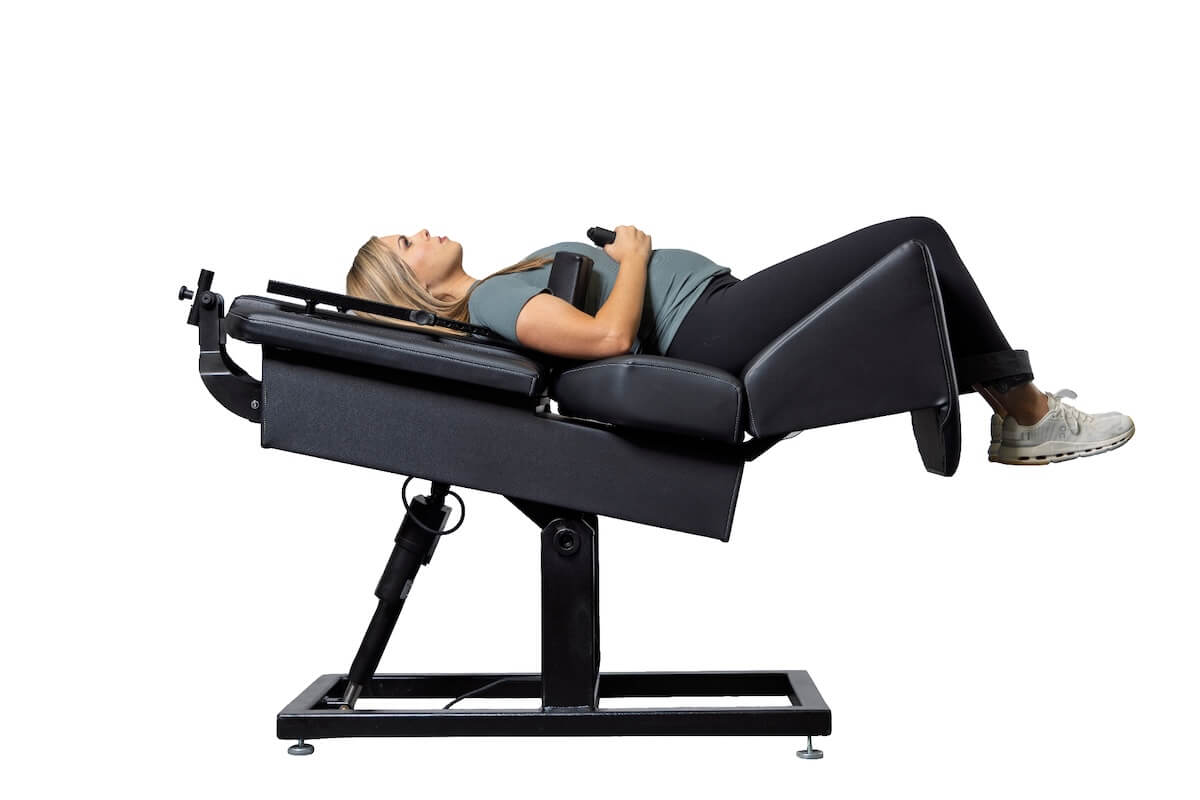
If you have been searching for spinal decompression therapy near you, you are most likely living with chronic back pain, sciatica, or symptoms from a herniated disc that have not improved with rest, stretching, or over-the-counter medication. Non-surgical spinal decompression is a drug-free, surgery-free treatment that uses a precisely controlled traction table — most commonly a DRX9000 or similar device — to gently stretch the spine, relieve pressure on compressed nerve roots, and create space for damaged discs to heal.
At The Spine & Health Center of New Jersey, our certified chiropractors and Doctors of Physical Therapy have performed thousands of decompression sessions across our three Bergen County locations: Closter, Montvale, and Park Ridge. Most patients see meaningful improvement within 4 to 6 weeks, and same-week appointments are typically available.

What is non-surgical spinal decompression therapy?
Non-surgical spinal decompression therapy is a mechanical traction treatment used to relieve back pain, neck pain, and nerve-related symptoms caused by compressed or damaged spinal discs. The patient lies on a specialized motorized table — commonly a DRX9000, Antalgic-Trak, or similar FDA-cleared device — and is gently secured at the pelvis and chest. The table then applies a precisely controlled, intermittent stretching force along the spine, calibrated for the patient’s body weight, condition severity, and treatment area.
The mechanism is biomechanical, not surgical. By creating a brief negative pressure inside the affected disc, decompression can pull herniated or bulging disc material back toward the center of the disc, taking pressure off the nerve roots that produce pain, numbness, or weakness. The same negative pressure draws in oxygen, water, and nutrients that healthy discs need to repair themselves — nutrients that compressed discs are typically starved of, because spinal discs have no direct blood supply and depend on motion-driven fluid exchange to stay healthy.
The technique is FDA-cleared, supported by peer-reviewed research, and used by major hospital systems, sports medicine programs, and integrated chiropractic and physical therapy practices worldwide.
Treatment cycle length per session
Reported success rates in published studies
Bergen County locations: Closter, Montvale, Park Ridge
How non-surgical decompression differs from surgery
How does spinal decompression work?
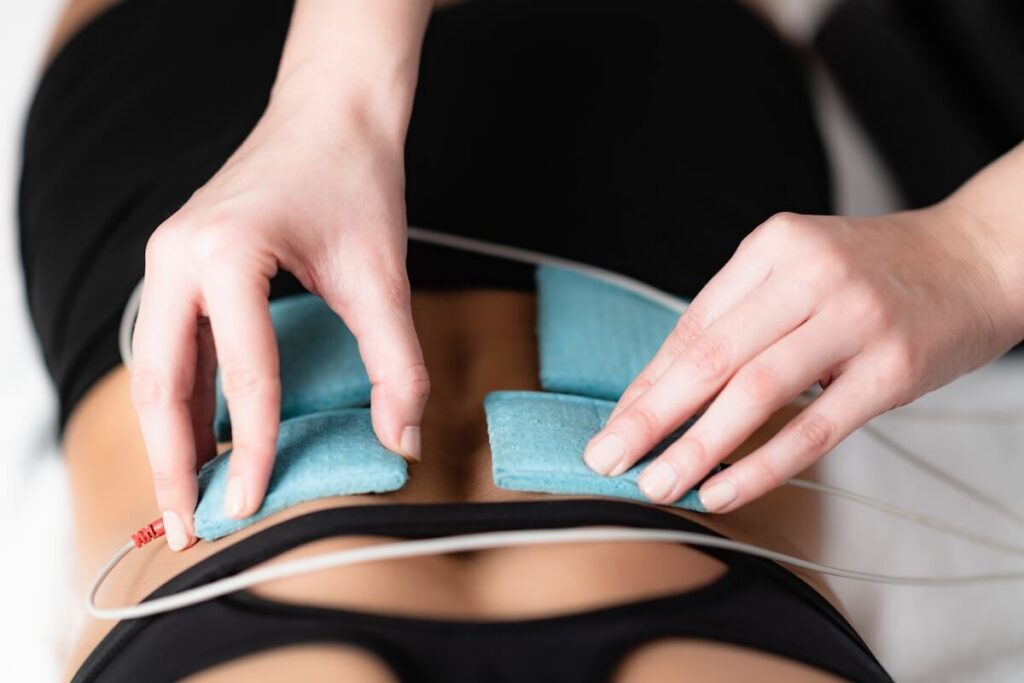
A spinal decompression session begins with the patient lying supine (face up) or prone (face down), depending on the condition being treated and the table model. The clinician secures the patient with a pelvic harness below the affected spinal segment and a thoracic harness above it, creating two stable anchor points — one above and one below the area to be decompressed.
The motorized table then applies an intermittent, computer-controlled stretching force along the spine. The force is not constant; instead, it cycles through a programmed sequence of pulls and releases, typically over 15 to 20 minutes. The exact pattern — pull duration, release duration, peak force, and ramp rate — is calibrated by the clinician based on the patient’s weight, the specific disc being targeted, and how the patient’s body has responded in prior sessions.
What happens at the disc level during each pull cycle
The vertebrae immediately above and below the compressed disc are gently separated by 1 to 2 millimeters. Intradiscal pressure drops into negative territory, literally creating a brief vacuum inside the disc. That negative pressure pulls herniated or bulging nucleus material back toward the disc center, away from the nerve root. Oxygen, water, and nutrients are drawn into the disc through this same negative-pressure gradient — supporting cellular-level disc rehydration and repair. Surrounding muscles relax, reducing the muscular guarding that contributes to chronic pain.
Between cycles, the table releases tension, allowing the spine to briefly reset before the next pull. This intermittent pattern is what makes mechanical decompression more effective than constant traction — the cycling creates a pumping action that feeds healthy nutrients into the disc while gradually retracting damaged tissue away from the nerve. Most patients describe the sensation as a gentle, steady stretch that feels relieving rather than uncomfortable. Many fall asleep during sessions.
Conditions treated by spinal decompression
Spinal decompression is most effective for conditions where compressed or damaged spinal discs are the underlying driver of pain. Below are the conditions we most commonly treat at our Bergen County clinics.
Herniated and bulging discs
A herniated disc occurs when the soft inner gel of a spinal disc pushes through a tear in its outer wall and presses on a nearby nerve. Spinal decompression is one of the most studied non-surgical treatments for herniated discs: the negative pressure created during each pull cycle can pull displaced disc material back toward the center, away from the irritated nerve. Patients with herniated discs in the lumbar (lower back) or cervical (neck) spine often see meaningful symptom reduction within 4 to 6 sessions.
Sciatica
Sciatica is nerve pain that radiates from the lower back down through the buttock and leg, typically caused by compression of the sciatic nerve root at the L4, L5, or S1 spinal level. When the underlying cause is disc-related (herniated, bulging, or degenerated disc compressing the nerve), decompression directly addresses the mechanical compression. Patients often describe noticeable leg-pain relief within 2 to 3 weeks. Sciatica with non-disc causes (piriformis syndrome, isolated muscle entrapment) responds less reliably and typically combines better with manual therapy approaches.
Patients with sciatica caused by disc-related nerve compression often see meaningful relief from spinal decompression — particularly when conservative treatments alone haven’t resolved symptoms.
Spinal stenosis
Spinal stenosis is narrowing of the spinal canal that compresses nerves passing through it. When the narrowing is driven by disc protrusion taking up canal space — the most common cause in younger and middle-aged patients — decompression can create relief by pulling that disc material back. Decompression is less effective for stenosis driven primarily by bone spurs or thickened ligaments. We screen for which type during the initial consultation.
Spinal stenosis is one of the primary indications for non-surgical spinal decompression — particularly cases where disc bulging or herniation is taking up canal space and compressing nerves.
Degenerative disc disease
Degenerative disc disease is the gradual loss of disc height, hydration, and elasticity that occurs over time. Decompression helps in two ways: the negative pressure draws water and nutrients into chronically dehydrated discs, supporting cellular rehabilitation; and the gentle separation of vertebrae relieves the compressive load that accelerates degeneration. Patients with mild to moderate DDD often respond well to a course of decompression combined with core stabilization exercise.
Facet joint syndrome
Facet joint syndrome involves arthritic or inflamed facet joints — the small paired joints at the back of each vertebra. Decompression reduces compressive load across the facet joints during each pull cycle, which can break the inflammation cycle and allow surrounding soft tissue to heal. Often combined with chiropractic mobilization for best results.
Chronic lower back pain
Most chronic lower back pain has a multifactorial cause — disc involvement, muscle dysfunction, joint restriction, and sometimes nerve sensitization layered on top of each other. Decompression addresses the disc layer directly. Patients who have plateaued on stretching, anti-inflammatories, and traditional chiropractic care often see meaningful change when decompression is added to their plan.
Cervical (neck) disc problems
The same mechanism that treats lumbar disc problems works for cervical discs. Cervical decompression uses a specialized neck-traction setup or a table designed for upper-spine work. Indicated for cervical disc herniation, cervical radiculopathy (arm pain, numbness, or weakness from nerve root compression), and certain types of cervicogenic headache and neck pain.
Pinched nerves and radiculopathy
“Pinched nerve” is patient language for radiculopathy — irritation of a spinal nerve root where it exits the spinal column. When the underlying cause is disc material pressing on the nerve, decompression is one of the most direct mechanical interventions available short of surgery. Symptoms typically include radiating pain, numbness, or weakness along the path of the affected nerve.
Pre-surgical and post-surgical use
Decompression is used both as a pre-surgical conservative trial (a way to attempt to resolve symptoms before surgery is considered) and as a post-surgical rehabilitation modality for select cases cleared by the operating surgeon. We coordinate directly with referring surgeons for post-op patients.
Spinal decompression vs. other treatments
Patients researching spinal decompression often encounter similar-sounding treatments and at-home alternatives. Below is how clinical decompression differs from each.
| Treatment | How it differs from clinical decompression |
|---|---|
| Spinal surgery | Physically removes or reshapes tissue. Decompression mechanically reduces intradiscal pressure without cutting. Most disc patients qualify for a non-surgical trial first. |
| Inversion tables | Passive, gravity-dependent stretch, not calibrated to the individual. Decompression uses computer-controlled, intermittent, condition-specific force. |
| Standard traction | Applies constant pulling force. Decompression uses intermittent cycling that creates the negative-pressure pump effect — which constant traction does not produce. |
| Flexion-distraction (Cox) | Therapist-applied manual technique on a specialized table. Similar mechanical effect; decompression tables offer more consistent force calibration. |
| IDD Therapy | Proprietary protocol using similar mechanical principles. Comparable outcomes; main differences are in machine design and treatment programming. |
What to expect during a spinal decompression session
Preparation (5 minutes)
Treatment (15-20 minutes)
Post-treatment (5-10 minutes)
After the session
Most patients feel relief immediately or within a few hours. Some feel mild soreness similar to post-exercise fatigue for 24 hours — this is normal. Drink extra water for the next 24 hours and avoid heavy lifting or twisting that day.
Does spinal decompression actually work? Success rate and results
What the research shows
What we see clinically
What patients commonly report
Reduced pain intensity (often the first measurable change). Decreased leg or arm radiation, as the radicular component typically improves before local back or neck pain. Less numbness or tingling in the limbs. Better tolerance of sitting, standing, and walking duration. Lower frequency of pain flares between sessions. Reduced reliance on pain medication. Improved sleep quality once the night-time pain pattern is interrupted.
Who is most likely to respond
How long does spinal decompression treatment take?
| Phase | Frequency | Total course |
|---|---|---|
| Acute disc herniation / recent flare-ups | 2-3 sessions/week for 2-3 weeks, then taper | 12-15 sessions over 6-8 weeks |
| Chronic disc-related pain (6+ months) | 2 sessions/week for 4-6 weeks, then reassess | 20-25 sessions over 10-14 weeks |
| Maintenance care | 1 session every 4-8 weeks | Ongoing, as needed |
Side effects, safety, and risks of spinal decompression
Common normal sensations
Side effects that warrant a callback to your provider
Contraindications — patients we will not treat with decompression
Pregnancy. Spinal fracture (recent or unhealed). Severe osteoporosis with documented compression fractures. Spinal infection or tumor. Recent spinal surgery, until cleared by the surgeon. Severe abdominal aortic aneurysm. Cauda equina syndrome or other progressive neurological emergency. Spinal instability or spondylolisthesis with neurological signs. We screen for these conditions during the initial consultation.
After-care recommendations: Drink an extra 16 to 24 ounces of water on treatment days to support disc rehydration. Avoid heavy lifting or aggressive twisting for 24 hours after each session. Light walking and gentle movement are encouraged. Apply ice if soreness is significant; heat after the first 24 hours to encourage blood flow. Follow the prescribed home stretching and core exercise protocol — this is what cements long-term gains.
Spinal decompression cost and insurance coverage
Is spinal decompression covered by insurance? It depends on your plan, your specific diagnosis, and whether your treating clinician is in-network with your carrier. In many cases, decompression performed by a licensed chiropractor or physical therapist is covered under standard chiropractic or PT benefits when it is documented as medically necessary for a covered condition. We verify your specific coverage during the initial consultation and call before your first session, so there are no billing surprises. Visit our insurance page for full details.
Insurance plans we typically work with
Cost without insurance
For patients without coverage, or whose plans do not include decompression specifically, transparent self-pay rates are available — typically lower than what most patients expect. We offer single-session pricing and packaged-rate options for patients undergoing a full course of treatment. Call any of our three locations or use our online booking page to ask about current self-pay pricing.
A note on cost vs. value
Decompression is often used in place of surgery for appropriate patients. A typical surgical course (microdiscectomy or laminectomy) plus rehabilitation runs into the tens of thousands of dollars in out-of-pocket cost even with insurance. A complete decompression course is a fraction of that and avoids the surgical recovery period. For the right patient, decompression is one of the highest-value interventions available in spinal medicine.
Pros and cons of spinal decompression therapy
What decompression does well
What decompression does not do well
Honest takeaway: For appropriately selected patients with disc-related pain who have not responded to basic conservative care and want to avoid surgery, decompression is one of the highest-value treatments available. For patients with non-disc-related pain, advanced structural problems, or unrealistic expectations about resolution speed, decompression is often not the right choice. We tell patients honestly which category they fall into during the consultation.
Why choose The Spine and Health Center of New Jersey for spinal decompression
At The Spine and Health Center of New Jersey, spinal decompression is performed by clinicians with documented training in instrument-assisted spinal traction across all three of our Bergen County locations. You can meet our full clinical team, where each provider’s training, certifications, and specialty focus are documented.
Our decompression-trained clinicians
What sets our practice apart
Integrated care under one roof.
Chiropractic, physical therapy, acupuncture, and rehabilitation all coordinate on a single treatment plan, so you are not making three separate referrals to three separate offices.
Evidence-based protocols.
Decompression is one tool in our practice — never the only tool. We combine it with manual therapy, targeted exercise, laser therapy, and cupping where indicated, based on what your specific case needs.
Honest pre-treatment assessment.
If decompression is not the right tool for your case, we tell you and refer appropriately. We do not push treatment courses that we do not believe will help you.
Convenient Bergen County access.
Three locations — Closter, Park Ridge, and Montvale — each with weekday hours and Saturday availability at the Closter office.
Frequently asked questions
How long does it take for spinal decompression to work?
Is spinal decompression covered by insurance?
In many cases, yes. When decompression is performed by a licensed chiropractor or physical therapist as part of a documented treatment plan, it is typically covered under your existing chiropractic or PT benefits. Coverage varies by carrier and plan; we verify your specific benefits before your first appointment. See our insurance page for the full list of plans we work with.
Does spinal decompression hurt?
How is spinal decompression different from an inversion table?
Can spinal decompression cause damage?
How many sessions of spinal decompression will I need?
Schedule a spinal decompression consultation
- Closter: 31 Vervalen St, Closter, NJ 07624
- Park Ridge: 146 Kinderkamack Rd, Park Ridge, NJ 07656
- Montvale: 32 Philips Pkwy, Montvale, NJ 07645
What to bring to your first appointment
Disclaimer: This page is for informational purposes only and does not constitute medical advice. If you are experiencing back pain, sciatica, or other spine-related symptoms, consult a qualified healthcare professional for a personalized evaluation. In New Jersey, you can see a chiropractor without a referral, and direct access to physical therapy is available for evaluation and initial treatment.