
Persistent elbow pain can make simple tasks like opening a jar, lifting groceries or shaking hands uncomfortable. Two of the most common causes are tennis elbow and golfer’s elbow. Despite their names, neither is limited to tennis players or golfers. Both often affect people whose jobs or hobbies involve repetitive gripping, lifting, typing or using hand tools.
The two are easy to confuse, but they affect different tendons and cause pain in different places. Knowing the difference helps you spot the problem early and get the right treatment before it becomes chronic.
The short answer
Tennis elbow (lateral epicondylitis) causes pain on the outside of the elbow and is triggered by wrist extension and gripping. Golfer’s elbow (medial epicondylitis) causes pain on the inside of the elbow and is triggered by wrist flexion and gripping. Both are overuse injuries of the forearm tendons, and both usually respond to conservative care: hands-on treatment, soft tissue therapy, targeted exercise and changes to the activities that overload the tendon.
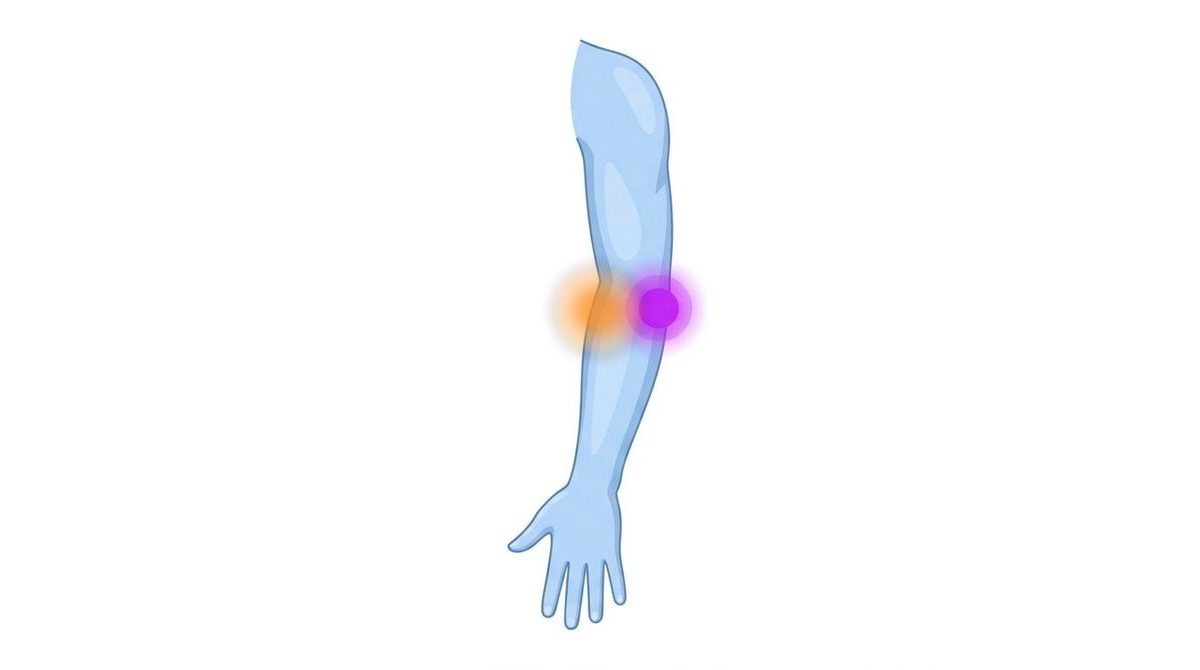
Tennis elbow vs. golfer’s elbow at a glance
| Feature | Tennis elbow | Golfer’s elbow |
|---|---|---|
| Pain location | Outside of the elbow | Inside of the elbow |
| Medical name | Lateral epicondylitis | Medial epicondylitis |
| Injured tendons | Wrist extensor tendons | Wrist flexor tendons |
| Pain trigger | Wrist extension and gripping | Wrist flexion and gripping |
What is tennis elbow?
Tennis elbow, or lateral epicondylitis, is an overuse injury of the tendons that attach to the outside of the elbow. Repetitive wrist extension and gripping can put excessive stress on these tendons, creating tiny tears that lead to pain, irritation and reduced function.
Tennis elbow symptoms
- Pain on the outside of the elbow
- Tenderness over the bony bump on the outside of the elbow
- Weak grip
- Pain when lifting objects with the palm facing down
- Discomfort turning doorknobs, using tools or shaking hands
Common causes
Most people who develop tennis elbow have never picked up a tennis racquet. Common causes include repetitive lifting, typing and computer work, carpentry, construction and auto mechanics, painting, plumbing, gardening, weightlifting, and racquet sports including pickleball.
What is golfer’s elbow?
Golfer’s elbow, or medial epicondylitis, affects the tendons attached to the inside of the elbow. It develops when repetitive wrist flexion and gripping overload the muscles and tendons that bend the wrist.
Golfer’s elbow symptoms
- Pain along the inside of the elbow
- Tenderness when pressing the inner elbow
- Weak grip
- Pain when making a fist or bending the wrist
- Occasional numbness or tingling into the ring and little fingers if the nearby ulnar nerve becomes irritated
Common causes
Golfer’s elbow is not limited to golfers. It commonly develops from golf swings, throwing sports, baseball pitching, weight training, repetitive lifting, construction work, plumbing and frequent gripping.
Why these injuries develop
Although the pain is felt at the elbow, the problem often involves more than the elbow. Repetitive strain can create muscle tension, reduce joint mobility and change movement patterns through the wrist, forearm, elbow, shoulder and even the neck. When these areas are not moving well, extra stress lands on the tendons and healing becomes harder. That is one reason resting the elbow or treating only the painful spot does not always solve the problem.
How chiropractic care can help
Chiropractic care looks at how the whole upper limb is working rather than only the painful spot. The goal is to reduce stress on the injured tissue, improve movement and support the body’s natural healing. Depending on your condition, treatment may combine:
Chiropractic adjustments
Restricted movement in the wrist, elbow, shoulder or neck can change how forces travel through the arm. Gentle adjustments may help restore normal joint motion, improve mechanics and reduce unnecessary stress on the injured tendons.
Soft tissue therapy
Soft tissue techniques reduce muscle tension, improve circulation and ease restrictions in the forearm muscles and tendons. These may include instrument-assisted soft tissue mobilization (such as Graston Technique), myofascial release, trigger point therapy and Active Release Technique (ART).
Therapeutic exercise
Instead of relying on rest alone, chiropractors often prescribe targeted home exercises to improve flexibility, restore strength and gradually increase how much load the tendon can handle. Eccentric strengthening exercises have been shown to be particularly helpful for many chronic tendon injuries.
Ergonomic and activity changes
Many cases come from repetitive work habits or technique. Your chiropractor can identify the movement patterns that irritate the tendon and suggest simple changes at work, in the gym or in your sport to reduce strain and prevent flare-ups.
Supportive therapies
Many chiropractic offices also use supportive therapies such as therapeutic ultrasound, electrical muscle stimulation, kinesiology taping, ice or heat advice, and bracing when appropriate, alongside hands-on care and exercise.
Self-care tips to support recovery
- Avoid activities that significantly increase your pain
- Apply ice after repetitive activity during painful flare-ups
- Do the home stretches and strengthening exercises your chiropractor recommends
- Improve your workstation ergonomics
- Warm up and stretch before sports or exercise
- Return to activity gradually rather than doing too much too soon
Frequently asked questions
How do I know if I have tennis elbow or golfer’s elbow?
Location is the main clue. Pain on the outside of the elbow that flares with gripping or lifting palm-down points to tennis elbow. Pain on the inside of the elbow that flares when you make a fist or bend the wrist points to golfer’s elbow. An exam confirms which tendons are involved.
Can a chiropractor help tennis elbow?
Chiropractic care can help by restoring joint motion through the arm and neck, treating the forearm soft tissue, prescribing strengthening exercises and changing the activities that overload the tendon.
Why does golfer’s elbow sometimes cause tingling in the fingers?
The ulnar nerve runs near the inside of the elbow. If it becomes irritated, you may feel numbness or tingling into the ring and little fingers.
When should I see someone about elbow pain?
If your elbow pain lasts more than a couple of weeks, keeps getting worse, or starts interfering with work, sports or daily activities, it is time for a professional evaluation.
When to get evaluated
A chiropractor can determine whether your symptoms come from tendon irritation, joint dysfunction, muscle imbalance, nerve irritation or another cause. If an exam suggests a fracture, a significant tendon tear, inflammatory arthritis or another condition that needs further medical evaluation, your chiropractor will refer you to the right provider.
The bottom line
Whether it is tennis elbow or golfer’s elbow, early treatment can make a real difference. By combining adjustments, soft tissue therapy, individualized exercise and practical changes to daily activity, many patients reduce pain, improve function and return to what they enjoy without surgery or long downtime.
Learn more about our elbow pain treatment in Closter, Montvale and Park Ridge, or book an evaluation.
This article is for general education and is not medical advice.