

Written by Eleni Zlatis, OTR/L, Occupational Therapist at our Closter office.
If you have ever woken up with your hand feeling numb, or noticed tingling while typing, driving or holding your phone, you are not alone. Hand numbness is one of the most common reasons people seek care. Carpal tunnel syndrome is usually the first thing people think of, but it is not always the cause.
The good news: many cases of hand numbness improve with conservative treatment, and surgery is not always the first step.
The short answer
Carpal tunnel syndrome can often be treated without surgery, especially when symptoms are mild to moderate. Conservative care usually combines occupational therapy (nerve and tendon gliding, stretching and strengthening), a night splint that keeps the wrist straight, changes to how you use your hands during the day, and, when your physician recommends it, anti-inflammatory medication or an injection. Surgery is considered when symptoms continue despite this care, numbness becomes constant, the thumb muscles weaken, or nerve testing shows severe compression.
What is carpal tunnel syndrome?
Carpal tunnel syndrome happens when the median nerve is compressed as it passes through a narrow passageway in the wrist called the carpal tunnel. This nerve gives sensation to the thumb, index finger, middle finger and part of the ring finger, and it also controls some of the muscles at the base of the thumb.
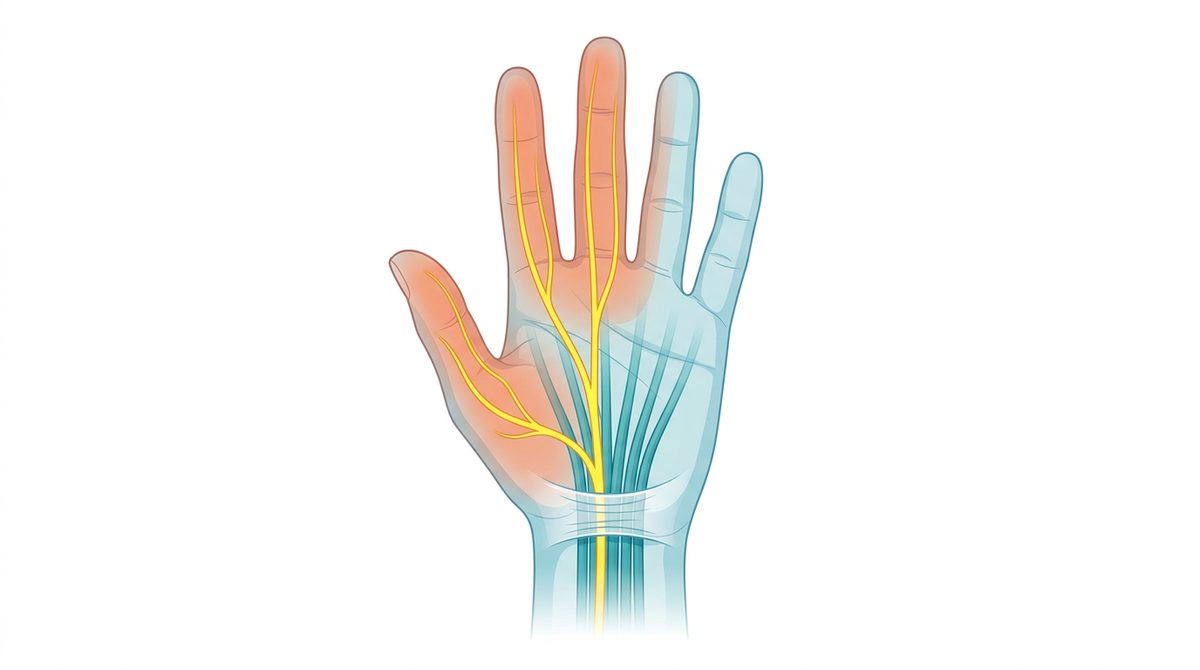
Common symptoms
- Numbness or tingling in the thumb, index, middle and/or ring fingers
- Symptoms that are worse at night or first thing in the morning
- Weakness when gripping objects
- Frequently dropping things
- Pain that can travel into the forearm
Is it carpal tunnel, or something else?
These symptoms can come from carpal tunnel syndrome, but similar symptoms can also start in the neck, the elbow or other nerves. Arthritis, tendon problems and other medical conditions can feel similar too. That is why a proper evaluation matters before treatment starts: treating the wrist will not fix numbness that begins in the neck or at the elbow.
Why is hand numbness worse at night?
Many people sleep with their wrists bent. A bent wrist increases pressure inside the carpal tunnel, which can make numbness worse overnight and is why so many people wake up with tingling hands. Keeping the wrist in a neutral position while you sleep is one of the simplest ways to ease nighttime symptoms (see splinting below).
Carpal tunnel treatment without surgery
The goal of conservative treatment is to reduce pressure on the nerve, improve movement and strength, calm irritation, and help you get back to your normal daily activities.
Occupational therapy
Occupational therapists specialize in helping people use their hands comfortably and efficiently during everyday tasks. Treatment is individualized, but may include:
- Nerve gliding exercises
- Tendon gliding exercises
- Stretching and mobility exercises for the wrist and hand
- Progressive strengthening, as appropriate
- Activity modification and ergonomic education
- Manual therapy to improve soft tissue and joint mobility
Treatment is designed to reduce symptoms and to address the factors that may have caused them in the first place. Your therapist will show you which exercises suit your hand and how often to do them.
Night splinting
Many people benefit from wearing a wrist splint at night. A neutral-position splint keeps the wrist in a comfortable, straight position while you sleep and can often reduce nighttime numbness. Your occupational therapist can recommend the best splint for you.
Ergonomic changes
Small changes during the day can make a big difference, especially if your job or hobbies involve repetitive hand use:
- Take regular breaks during repetitive tasks
- Keep a neutral wrist position while typing
- Adjust your workstation for better posture
- Avoid prolonged gripping whenever possible
- Change positions often instead of holding one posture for long periods
Managing inflammation
Depending on the cause of your symptoms, your physician may recommend anti-inflammatory medication or a corticosteroid injection. These can help reduce irritation around the nerve, particularly when symptoms are moderate or have flared up recently.
When is carpal tunnel surgery needed?
Not everyone with carpal tunnel syndrome needs surgery. Conservative treatment is often recommended first, particularly when symptoms are mild to moderate. Surgery may be considered if:
- Symptoms continue despite conservative care
- Numbness becomes constant
- There is significant weakness or muscle loss in the thumb
- Nerve testing shows severe compression
Your physician can help decide whether surgery is appropriate based on your symptoms and diagnostic testing.
Frequently asked questions
Can carpal tunnel get better without surgery?
Often, yes. Conservative care is usually the first recommendation, particularly for mild to moderate symptoms. It typically combines therapy, a night splint and changes to daily hand use.
Does a wrist splint at night help carpal tunnel?
For many people it does. Sleeping with a bent wrist raises pressure in the carpal tunnel, and a neutral-position splint keeps the wrist straight overnight, which can reduce nighttime numbness.
Is hand numbness always carpal tunnel?
No. Numbness and tingling can also come from the neck, the elbow, other nerves, arthritis, tendon problems or other medical conditions. A thorough evaluation identifies the real source.
When should I get hand numbness checked?
If numbness, tingling or weakness in your hand keeps coming back or does not go away, it is worth having it evaluated. The sooner the cause is identified, the sooner the right treatment can start.
Don’t ignore persistent numbness
Carpal tunnel syndrome is common, but not every case of hand numbness comes from compression at the wrist. If you have been living with numbness, tingling or weakness in your hands, a thorough evaluation is the first step toward the right treatment plan.
Hand and wrist care in Bergen County
At The Spine & Health Center of New Jersey, our occupational therapists evaluate hand and wrist conditions and build personalized treatment plans. Whether your symptoms come from carpal tunnel syndrome or another condition affecting the arm or hand, our goal is to help you reduce pain, improve function and get back to the activities that matter most.
Book an evaluation at our Closter, Montvale or Park Ridge office.
References
- American Academy of Orthopaedic Surgeons. Management of Carpal Tunnel Syndrome: Evidence-Based Clinical Practice Guideline (2024). AAOS guideline summary (PDF)
- Atroshi I, Flondell M, Hofer M, Ranstam J. Methylprednisolone injections for the carpal tunnel syndrome: a randomized, placebo-controlled trial. Annals of Internal Medicine. 2013;159(5):309-317. doi:10.7326/0003-4819-159-5-201309030-00004
- Burton CL, Chesterton LS, Chen Y, van der Windt DA. Clinical course and prognostic factors in conservatively managed carpal tunnel syndrome: a systematic review. Archives of Physical Medicine and Rehabilitation. 2016;97(5):836-852. doi:10.1016/j.apmr.2015.09.013
- Padua L, Coraci D, Erra C, et al. Carpal tunnel syndrome: clinical features, diagnosis, and management. The Lancet Neurology. 2016;15(12):1273-1284. doi:10.1016/S1474-4422(16)30231-9
This article is for general education and is not medical advice. If you have sudden weakness, numbness that spreads, or symptoms on one side of the body, seek emergency care.